
Pregnancy Loss: Coping with Pregnancy Loss and Finding Support
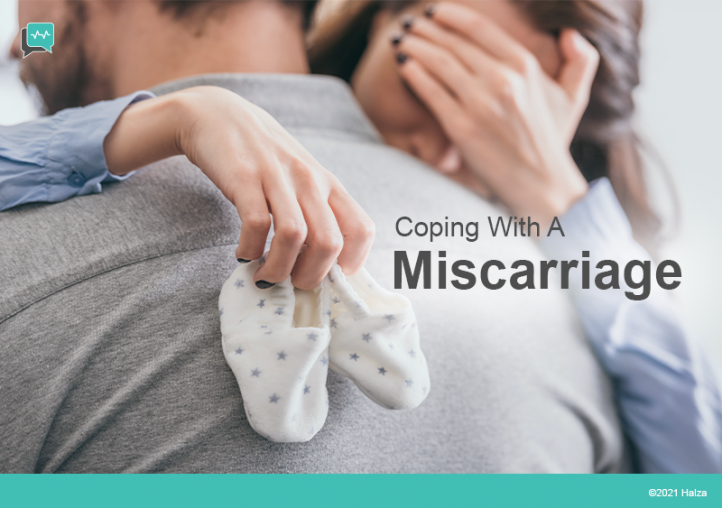
Losing a pregnancy is a distressing experience for women and their partners. Coping with pregnancy loss takes time, patience, and the right support — and there is no one “correct” way to grieve.
Despite this, many continue to receive inadequate aftercare to help them emotionally recover. They might not receive the support and encouragement they need from friends and family, who might not know how to broach the topic sensitively. They may be left unable to fully express their grief or comfortably reach out, ultimately struggling mentally with the aftermath of losing a pregnancy alone.
Sadly, as many as 1 in 4 recognized pregnancies may end in a miscarriage, and the true number is likely higher since many losses happen before a woman even knows she’s pregnant. There is no single cause, nor is the exact figure known.
If you are struggling in the wake of a pregnancy loss and don’t know what to do or how to process your emotions, there might be some comfort to be found in the fact that you’re not alone — and that pregnancy loss support is more accessible today than ever.

How does pregnancy loss affect mental health?
Losing a pregnancy tends to leave a bigger mental impact, rather than a physical one. If you have recently experienced a pregnancy loss, you will probably go through some or all the five stages of grief.
- If you cannot bring yourself to believe the doctor’s diagnosis and are spending hours scouring the internet for another explanation, you may be in the denial and isolation stage. Here, you may also be unable to speak to or see anyone, even your partner.
- If your response is to point fingers at your doctors, your partner, or even at yourself for not preventing the loss from occurring, you may be in the anger stage, where feelings of resentment are eating away at you.
- If you start making deals with yourself or, if you are religious, a higher being in exchange for a healthy pregnancy, you may be in the bargaining stage, where you may be setting unrealistic expectations for yourself.
- If you are consumed with despair over potentially never being able to conceive again, or anxiety that subsequent pregnancies will end in miscarriage again, you may be in the depression stage. Here, you may not be able to even handle the sight of babies, pregnant women, or baby showers.
- If you find yourself slowly being able to look back on your pregnancy loss and not be as overwhelmed with sadness as you once were, you may be in the acceptance stage. Though it was tough to endure, it’s important to remember that you are stronger than you think.
You may not experience these in order either. Researchers have not found a correlation between the length of the pregnancy term before losing a pregnancy and the extent of mental trauma. The experience of grief after a pregnancy loss is highly personal, whether the pregnancy was in its 2nd week or its 20th.
Following a miscarriage, you might also find yourself developing symptoms of anxiety, depression, or post-traumatic stress.
In fact, almost 20% of women who experience a pregnancy loss start to display symptoms of depression and/or anxiety. These symptoms can persist from 1 up to 3 years, impacting quality of life and even subsequent pregnancies.
A part of this response can be attributed to the lack of a proper grieving process, as those around them, and society at large, might fail to recognize and validate the significance of the loss.
Contrary to how people mourning those who have passed receive an outpouring of support, sympathy, and comfort, women experiencing the loss of a pregnancy tend to grieve alone. They might not have shared the news of their pregnancy or it may have just come as a complete shock, leaving them ill-equipped to handle the turn of events on their own.
How can you cope in the aftermath of losing a pregnancy?

The impact of a pregnancy loss on mood and mental health is not always resolved with the birth of a healthy child. Women who miscarry might even have a higher risk of developing postpartum depression. It is important to recognize that tackling mood symptoms is a priority in recovering and to get the help you need as soon as you do so.
You can start by attending counseling services to help you better process the grief of losing a pregnancy and move on in a healthy way. Receiving specific treatment, like cognitive-behavioral therapy (CBT), can help you identify and reframe unhelpful thoughts and feelings like fear or guilt.
As you would need to regularly attend these to make an impact on reducing mental stress, keeping track of appointment dates on health apps like Halza helps to ensure you never miss a scheduled session. Learn more about Halza here.

Providing your therapist or ob-gyn with a full picture of your medical history — including any past pregnancies, ultrasounds, lab results, or psychological history — can help them understand your situation faster, and let them broach the topic more sensitively and empathetically. With Halza’s

Complex lab results and medical reports can also be hard to read through when you’re already emotionally overwhelmed. This is where Halza AI can help: it turns medical, women’s health, and paediatric reports into clear, easy-to-read summaries, so you can spend less time deciphering paperwork and more time focusing on your recovery.
Seeking out other women who have gone through a similar experience as you could be helpful in alleviating feelings of loneliness, as well as providing you with useful advice. Establish support systems with these women, whether through physical support groups or online forums — the latter of which you can even remain anonymous in and choose to participate, no matter the time of day.
Having physical objects to remember your baby by might also be comforting and help you process the loss, much like you would for anyone close to you who has passed. You might also want to write about your baby or set up a memorial in your home to honor them.
Fortunately, between 50% and 80% of women go on to have a healthy pregnancy. Dealing with your loss early and establishing a healthy pregnancy loss recovery process that works for you may help you better balance conflicting emotions, like hope and worry, before moving on and entering a new pregnancy.
Sources: WHO — March of Dimes — Miscarriage Association, 2 — BBC — American Psychological Association, 2 — NCBI — Verywellfamily
halza