
Infertility: Signs, Causes & Treatment

Anyone who has tried to conceive a baby and tried again…and again…
and again knows the cycle of hope, disappointment, envy, anger, despair, and every emotion in between. These feelings invade every part of life and feel as if they will last forever. But thanks to advances in reproductive medicine, the chances of conceiving a baby are better than ever.
Typically, about 85% of couples trying to conceive become pregnant within 12 months of regular, unprotected intercourse. Of the remaining couples, most who continue trying will conceive within the second year — by the two-year mark, roughly 90% of couples have had a successful pregnancy.
If you are in the smaller group of couples who have not conceived after two years of trying, you have a lot of company. Fortunately, you also have options for treatment. Recognising the early infertility signs and causes can help you decide when it’s time to seek professional support.

How Is Infertility Defined?
Infertility is the term used when a couple has been having frequent, unprotected intercourse for at least a year without becoming pregnant. However, it is extremely important to understand that does not mean that they can never have a baby.
How Conception Occurs Naturally – A Quick Review

Most women are born with a vagina and a uterus (womb) with two ‘fallopian’ tubes. Next to each fallopian tube is an ovary. The two ovaries contain all the eggs a woman will ever have.
Beginning on the first day of a woman’s period, a hormone called follicle stimulating hormone (FSH) tells one of the ovaries to produce around 5 to 20 egg-containing sacs called ‘follicles.
Approximately 12 to16 days later another hormone, luteinizing hormone directs one follicle to release its egg. The release of the egg is called ‘ovulation’.
The egg enters one of the two fallopian tubes.
If the woman has unprotected vaginal intercourse in the days just around ovulation, some of the sperm from the man’s ejaculate (semen) are propelled up the vagina, into the uterus, and into the fallopian tube. If one of those sperm finds the egg and penetrates it, the egg is “fertilized”.
Over the next few days, the fertilized egg grows until it is made of several cells. It is now called an “embryo”.
The embryo heads from the fallopian tube into the uterus.
Inside the uterus, the embryo implants (attaches) in the lining. (A menstrual period happens because the lining is not needed for an embryo, and so the body releases it. The lining develops again over the next month.
What Causes Infertility?
Most cases of infertility result from:
- Failure of the ovaries to produce follicles or release eggs
- Blockage that prevents the egg from getting through the fallopian tube
- A low sperm count; no sperm, or weak or defective sperm
- Failure of the embryo to attach to the lining of the uterus
- Advanced age of the mother, resulting in lower quality eggs.
These problems can be caused by many different factors. Just a few examples include:
- Scar tissue from a pelvic infection, surgery, or endometriosis
- History of chemotherapy or radiation
- Structural abnormalities of the reproductive organs
- Hormone imbalances
- Retrograde ejaculation (semen goes backward, into the bladder)
- Use of certain medications
- Impotence

In addition, an unhealthy lifestyle will have a negative effect on fertility. Risk factors include:
- Smoking
- Alcohol consumption
- Being overweight
- Being underweight
- Poor nutrition
- Exposure to environmental toxins
Usually, the couple will have medical tests to help determine the cause of the problem and which fertility treatment to use.
How Do We Know If We Should See A Specialist?
Although an OB-GYN (obstetrician-gynecologist) can begin the process, the couple should ultimately be evaluated and treated by a fertility specialist.
The suggested timing for getting an evaluation is:
1) Women under age 35 without risk factors for infertility: After 12 months of trying to conceive.
2) Women aged 35-40 (advanced age is a risk factor): After 6 months of trying to conceive.
3) People in the following categories should consider seeing a fertility specialist when they are ready to conceive:
- Women over 40
- Women with a history or suspicion of pelvic disease or abnormality.
- Women who have no or few menstrual periods.
- Men or women with a history of chemotherapy or radiation, sexual dysfunction, or a history of infertility with a previous partner.
- Men with a history of groin or testicular surgery or “the mumps” after childhood.
What Are the Treatments for Infertility?
Whenever possible, the cause of infertility should be treated first. For example, if a man is taking a medication that causes impotence, he can ask his doctor for a different medication. If a woman has low hormone levels because of an unrelated medical condition, that condition should be treated. If the cause of infertility is treated, fertility treatment might be unnecessary.
If the cause of infertility can’t be treated, or is not known, there are several options for the woman. The most common are listed here, from simple to more involved. Often, two or more types of treatment are used together.

Clomiphene Citrate
Clomiphene is often the first treatment for women who do not ovulate monthly.
Clomiphene is an oral medicine that tells the body to make more FSH and LH. are also called “gonadotropic hormones”. FSH encourages follicles to grow. LH tells the follicle to release the egg. During each menstrual cycle, approximately 5-20 follicles will grow, but only one will release an egg. The released egg goes into the fallopian tube.
Benefits of clomiphene include:
- 30-40% of women become pregnant within the first three cycles.
- Relatively inexpensive.
- Can be taken without having invasive or expensive tests.
- Unlike some other treatments, it does not usually require monitoring with ultrasound.
Risks of clomiphene are small but include:
- Slightly increased rate of twins or triplets
- Ovarian hyperstimulation syndrome (OHSS) – a rare and reversible condition that is dangerous if not caught.
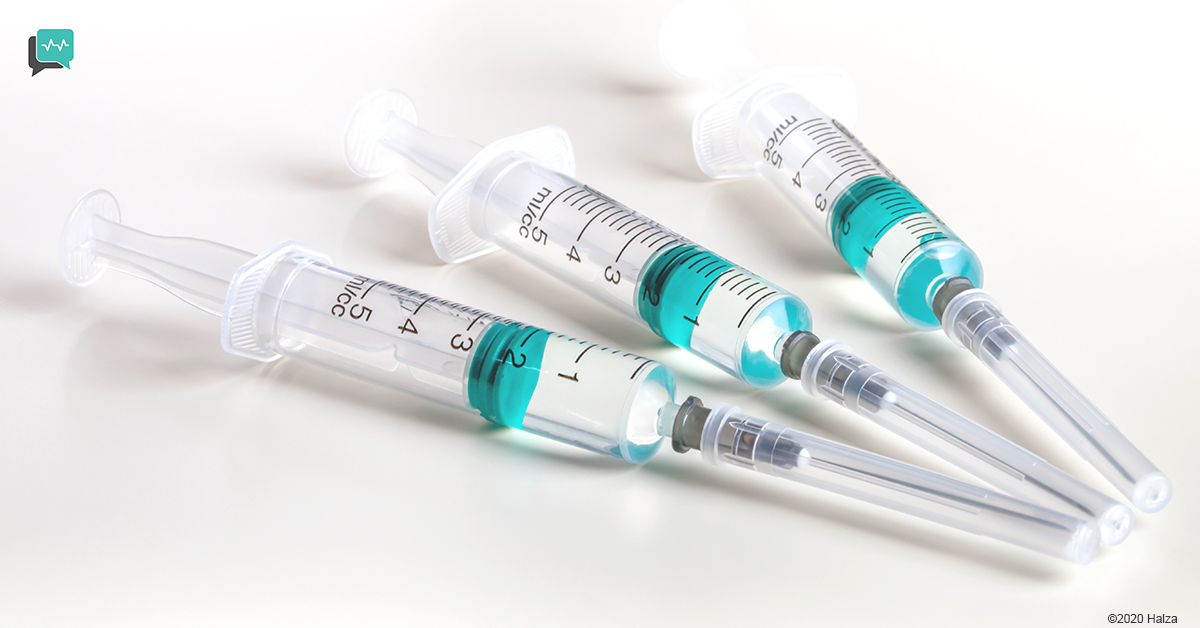
Gonadotropin injections
FSH and LH which are “gonadotropic” hormones can be injected directly into the body.
Injected gonadotropins are more likely than clomiphene to produce multiple mature eggs. (Remember, clomiphene only tells the body to produce more FSH and LH).
The injectable gonadotropins are recommended in a few circumstances:
- To stimulate ovulation in women who do not ovulate or ovulate infrequently.
- To help women who ovulate monthly but have not conceived.
- In preparation for intrauterine insemination (IUI), explained below; or for in vitro fertilization (IVF – described in Part Two).
The benefit of gonadotropin injections is that they often cause several mature eggs to be released. Having more eggs available for fertilization increases the chance of pregnancy.
The risks of gonadotropin injections are:
- More than one egg might be fertilized, resulting in a multiple pregnancy (twins, triplets, or more). Pregnancies with multiples have a higher rate of complications.
- The risk of OHSS is higher.
Human Chorionic Gonadotropin (hCG) injections
hCG causes ovulation and is often given as part of treatment with clomiphene or gonadotropic hormone injections.
The hCG injection is given when an ultrasound shows that a mature follicle is ready to release an egg. Ovulation usually happens 36-44 hours after the hCG injection. The couple can time sexual intercourse a day or so before ovulation (so the sperm are already waiting for the egg). The couple can have intercourse again on the day of ovulation (in case none of the waiting sperm fertilized the egg).
Intrauterine Insemination (IUI)
In IUI, a doctor places the sperm directly into the uterus.
Reasons that IUI might be used include:
- Unexplained infertility
- The couple is unable to have sexual intercourse
- The woman has infrequent or no ovulation
- The partner’s sperm are unlikely to get up to the fallopian tube
- There is a blockage near the cervix (the opening to the uterus from the vagina)
- Sperm is from a donor, not from a partner.
IUI usually begins with treatment with clomiphene or injections of gonadotropic hormones (FSH or FSH and LH), plus an hCG injection to trigger ovulation.
Next, the male partner (or sperm donor) gives a fresh sample of semen to the laboratory. The lab processes the semen so there is a concentrated amount of the strong sperm.
Going through the vagina, the doctor uses a thin catheter to place the sperm directly into the woman’s uterus. Some of the sperm will travel to the fallopian tube and hopefully, one will fertilize an egg.
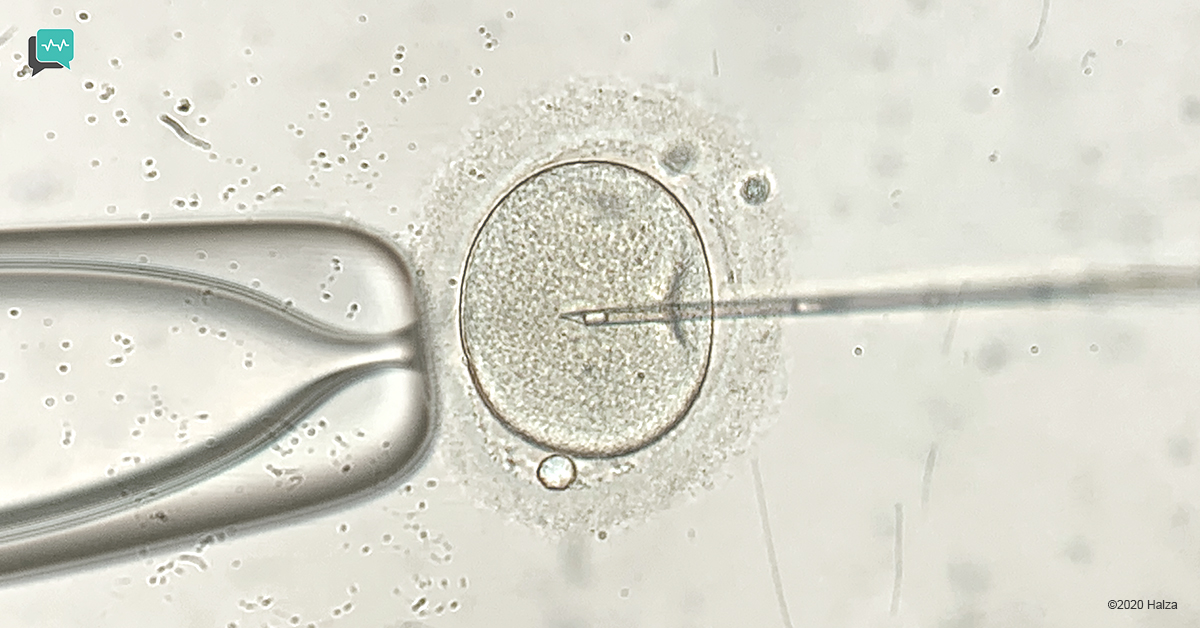
In Vitro Fertilization (IVF)
In IVF, the doctor places an embryo directly into the uterus.
Related reading:
Many people equate fertility treatment with IVF, but it is important to know that there are treatments that can be tried before IVF. In addition, some of the treatments above are a necessary part of IVF.
Briefly, in IVF:
- The ovaries are stimulated to produce follicles with mature eggs
- The mature eggs are retrieved through a surgical procedure.
- The eggs are fertilized with the partner’s or donor’s sperm in the laboratory.
- The resulting embryo (s) is placed into the uterus.
What If We’ve Tried and Nothing Has Worked?
Make sure that you have used a reputable practice. Practices associated with major medical centers or medical schools usually have highly trained physicians and often have access to the latest treatments. Clinics that specialize in particularly challenging cases of infertility will probably have lower success rates than clinics that advertise high success rates but turn away challenging cases.
Try, difficult as it is, to focus on other things. Some studies have shown that stress makes it harder to conceive. Exercise, meditate, or work on a hobby. Eat nutritious foods and get plenty of sleep. If you are going through a temporary time of extra stress, such as losing a job or caring for an ill parent, consider postponing fertility treatment – if possible -until your stress level is lower.
Read our article on IVF for some other suggestions if IVF does not work for you, or if you choose to stop fertility treatment. For many people, stopping fertility treatment is exactly the right choice, but it doesn’t necessarily mean ending the journey to parenthood.
How Halza Helps
Halza is the all-in-one family health app designed to make navigating a fertility journey easier — for you, your partner, and your care team.
Halza IVF is your in-app companion through every stage of treatment. Start with a questionnaire that gives you and your specialist an overview of your health and fertility history. Select your IVF protocol, set reminders for your medications and appointments, and track your progress as you move along your treatment cycle — so you have a better understanding of what’s ahead and can make more informed decisions. At the end of every IVF cycle, generate a report for easy record-keeping.
Halza AI takes the stress out of managing the paperwork and terminology that come with fertility treatment. It turns dense medical, women’s health, and paediatric reports into clear, easy-to-read summaries — so you spend less time deciphering lab results and more time focused on what matters. Simply tell Halza AI what you want to do, and it takes care of the rest.
Halza also comes with a variety of other useful features for the health of the whole family — find out more here.
Sources:
In vitro fertilization – UpToDate
Medscape.com (various)
WHO | Infertility definitions and terminology
Edmonton.pacificfertility.ca
Labcorp.com/tests
halza